
Management series Available on Amazon
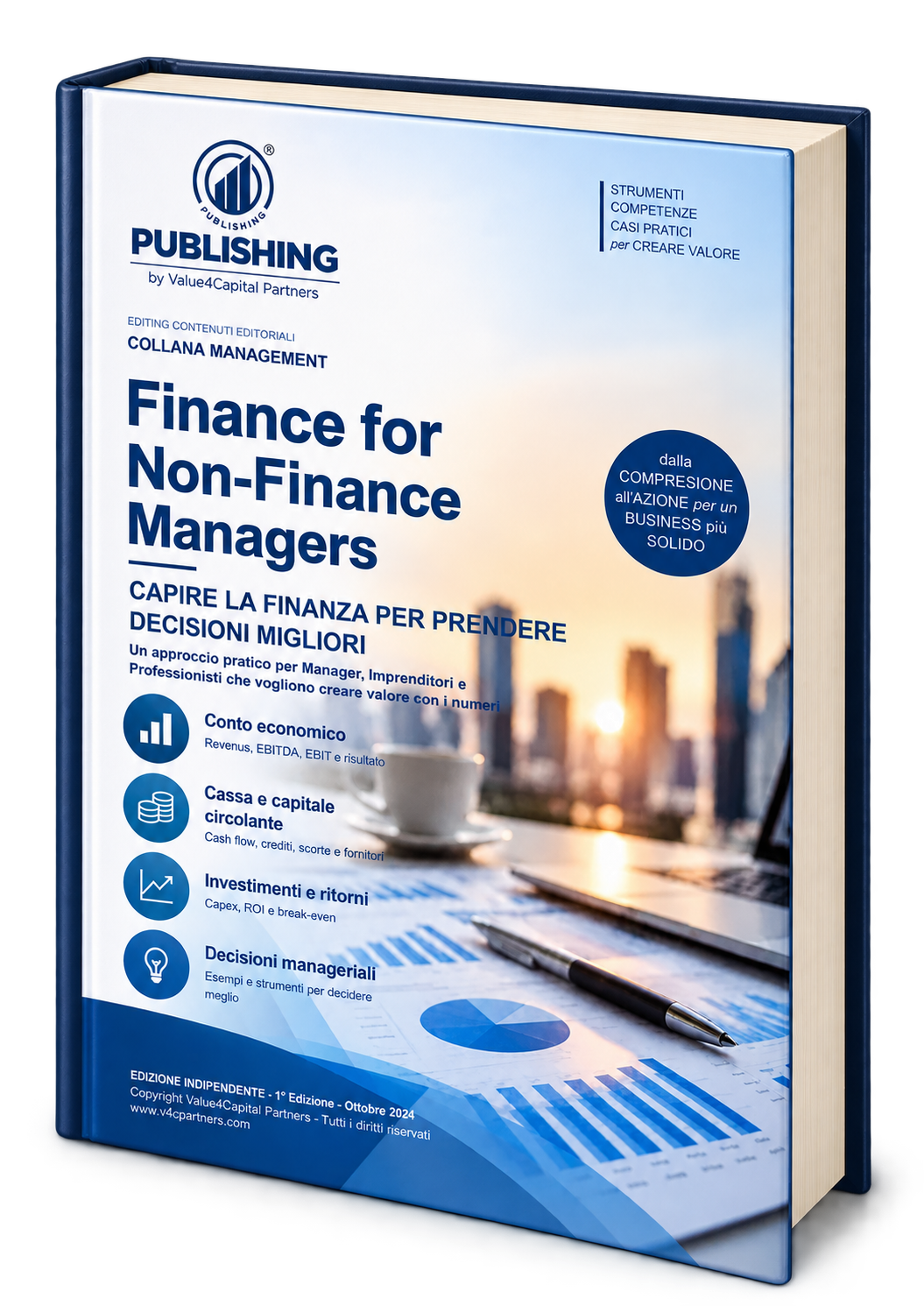
Finance for Non-Finance Managers
Understand the figures behind budgets, cash and investments.
You manage a budget or approve spending, but financial reports are not your speciality. This guide helps you understand the figures you need to discuss costs, cash and investments with Finance.
Language editions
Select your preferred format on Amazon.
The book in numbers
Includes management tips, worked examples and a financial decision checklist.
Learning tools and practical content
Practical tools for everyday financial decisions
Management tips, worked examples and decision exercises connect financial concepts with the situations a non-finance manager actually faces.
Management tips
Apply the book’s practical guidance to pricing, costs, cash flow and everyday management decisions.
Worked examples
Follow numerical examples and business situations that connect operating choices with financial results.
Alerts and pitfalls to avoid
Recognise the distinctions and misleading interpretations highlighted in the book’s Alert and Skip It boxes.
Key takeaways
Review the main messages summarised in the Take Away boxes at the end of key discussions.
30 boardroom mini-cases
Explore thirty managerial situations and the review questions used to examine their financial consequences.
10 numerical exercises with worked calculations
Work through the ten numerical exercises in Appendix A, including their calculations and interpretation.
A financial decision checklist
Use Appendix B to question revenues, margins, cash, capital, scenarios, risks and accountability before approving a decision.
What this book can help you with
- The business makes a profit, but cash is tight.Understand how customer collections, inventory and supplier payments affect the cash available.
- Sales are growing, but margins are falling.Learn to read revenue, costs and performance indicators together, and ask what is driving the change.
- An investment proposal relies on optimistic assumptions.Understand returns, recovery time and break-even, and identify the assumptions to question.
Inside the book
- Income statement and performanceRevenue, costs, EBITDA, EBIT and profit.
- Cash and working capitalCollections, inventory, supplier payments and liquidity.
- Investment appraisalCapital expenditure, returns, break-even and resource allocation.
- Management decisionsQuestions for reviewing performance and discussing financial choices.
Author & Editorial Manager
Gémino Di Giuliano, MBA

Certified CFO · Finance lecturer
25+ years of finance experience in SMEs and multinational groups. Executive MBA at LUISS Business School.